
10 October 2026


Share this video: |
|

 |
|
Or choose a specific part to share: |
|
Start at:   |
|
|
|
|

Embed this video, or the specific part you've chosen, on your site:
Bill Scher (Washington Monthly) and Matt K. Lewis (The Daily Beast, MattLewis.org)
On The DMZ, Matt explains why the right isn’t rallying to defend Chris Christie during the bridge scandal. Bill thinks the story highlights that electability is a thin reed on which to base a presidential candidacy. They note that ruthlessness is often rewarded in politics, but only if you get away with it. Next, Matt argues that the right has something important to learn from MSNBC. Do conservatives have a soft spot for monarchies? Plus: On Bob Gates’s new memoir, Bill says we should consider history’s long view.
Play entire video Bill Scher
Matt K. Lewis
Bill Scher
Matt K. Lewis
Eliana Johnson at National Review on Rachel Maddow
Matt on Maddow
Matt’s podcast with Ben Domenech on new media moguls
Trailer for Dana Loesch’s new show on The Blaze
Matt on conservatives and monarchies
Jonah Goldberg’s critique of Matt’s piece
Bill on cabinet secretaries going rogue
Robert Gates’s new memoir, “Duty”
Matt’s podcast with Travis Waldron
The DMZ’s Facebook page
The DMZ | Jan 10, 2014 | Bill Scher & Matt K. Lewis
Nonzero (The Wright Show)
Inside Elon’s Mind


Robert Wright and filmmaker Alex Gibney discuss Alex’s epic new documentary about Elon Musk—an exploration of how the world’s richest man got so powerful (and so weird).
Nonzero (The Wright Show)
Will AI Make Humans Obsolete?
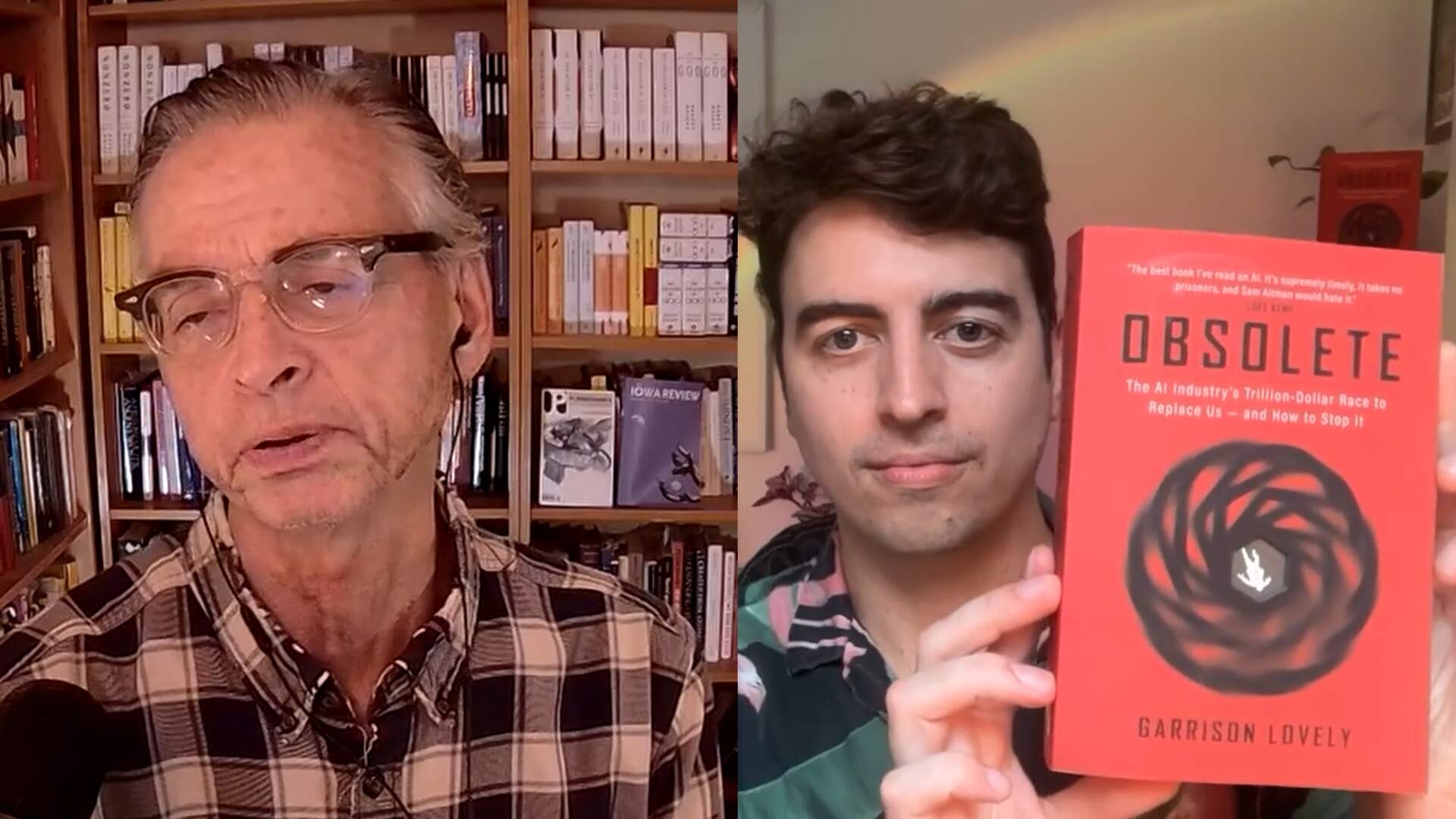
Garrison Lovely, author of the new book Obsolete, joins Robert Wright to discuss the AI industry’s race to replace human labor—and Garrison’s proposal to stop it. Plus: The left’s AI blind spot, whether alignment is doomed, and, in Overtime, doubts about Yudkowsky’s candor.
Nonzero (The Wright Show)
Trump and the AI Safety Vibe Shift
Robert Wright and Liron Shapira return for round two of their collaboration, reacting to the week in AI. They discuss Trump’s summit with the AI labs, the FTC’s investigation of OpenAI and Anthropic, the latest Gemini announcement, and more.
Nonzero (The Wright Show)
Is Dario’s “Slowdown” fake?
Tech and China analyst Paul Triolo joins Robert Wright to discuss the Anthropic CEO’s proposal to “pace” AI, his hawkish views on China, and prospects for US-China AI cooperation. Overtime: Why is the Chinese public more upbeat about AI than Americans?
Nonzero (The Wright Show)
Did Boomers Ruin Everything?
Robert Wright and Jill Filipovic—author of the book OK Boomer, Let’s Talk—discuss how the baby boom generation reshaped America, and whether millennials are right to blame them for today’s problems. Plus: what worries millennials about Gen Z, America’s gerontocracy problem, and why Kenyans are looking east.
Nonzero (The Wright Show)
Superintelligence, the Singularity, and the Singleton
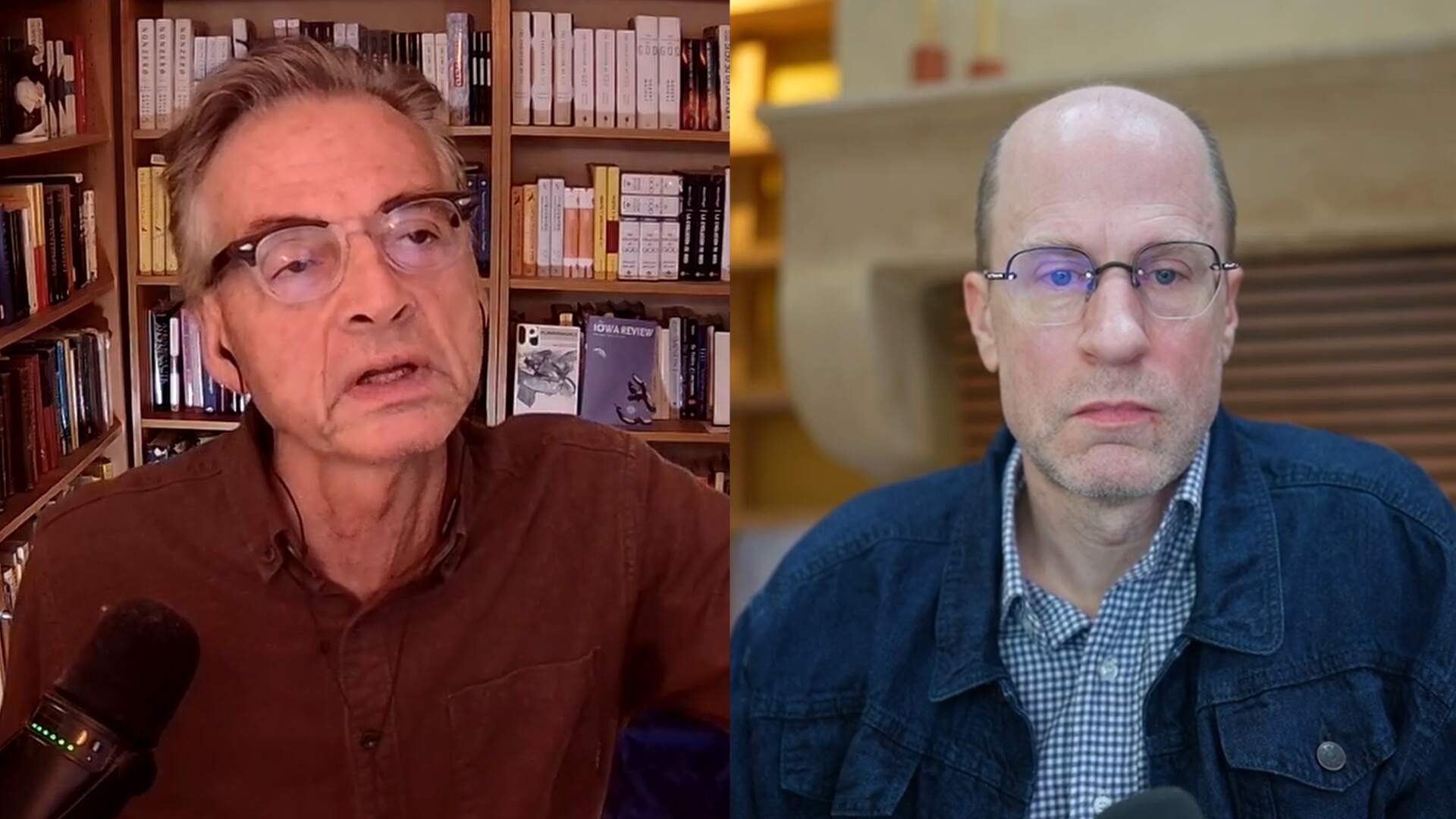
Robert Wright and philosopher Nick Bostrom discuss the pace of AI advance, arguments for and against slowing down, and whether a “singleton” will emerge. Plus: Does AI deserve moral status? Does the procession toward superintelligence suggest a higher purpose?
Nonzero (The Wright Show)
What’s Driving Dario?
Robert Wright and American Prestige podcast hosts Derek Davison and Daniel Bessner discuss the ongoing AI safety vibe shift—and what the Anthropic CEO and other tech titans are really up to. Overtime: Can Trump’s geopolitical blunders help the world?
Nonzero (The Wright Show)
Is an AI Slowdown Near?
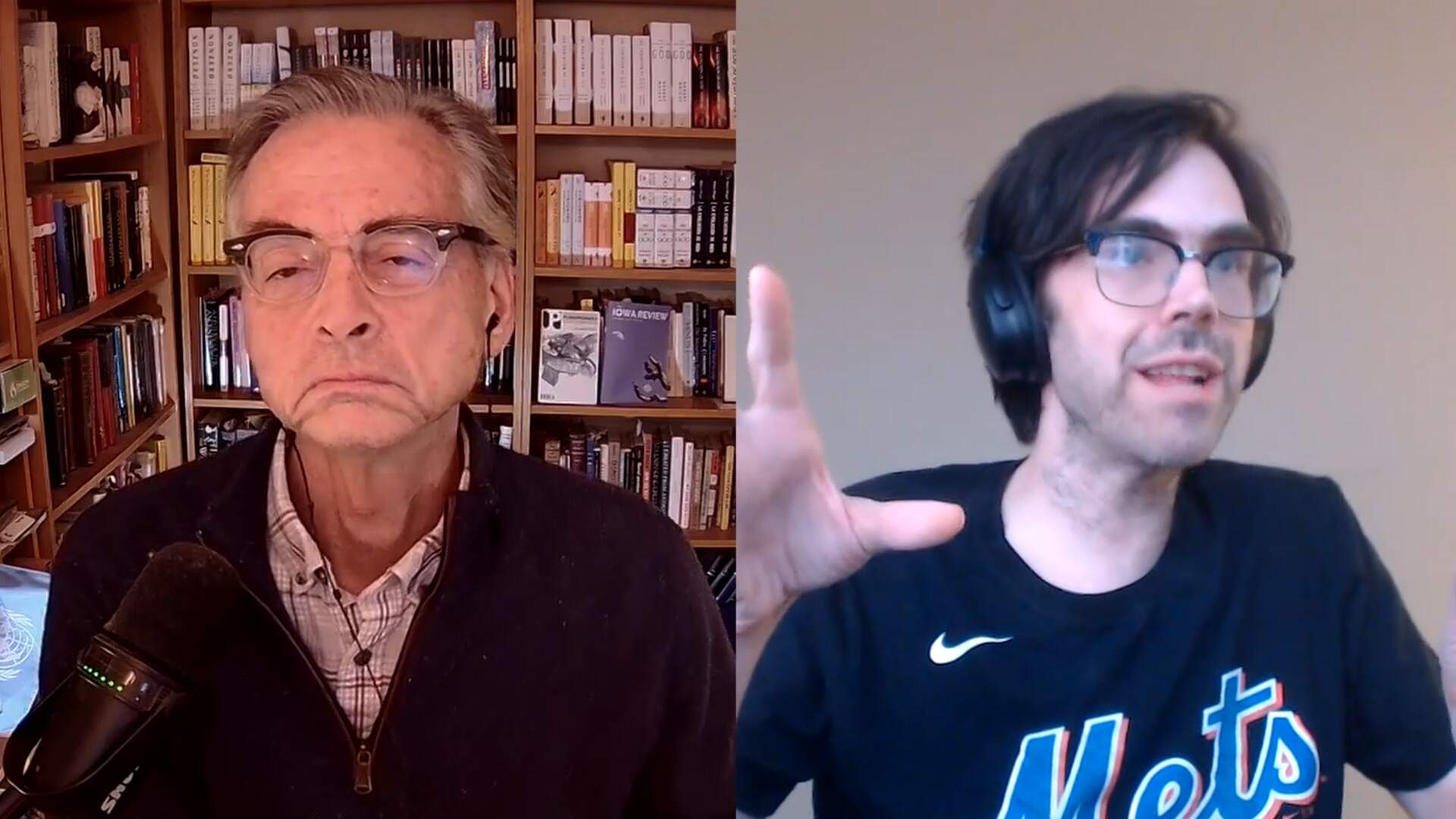
Robert Wright and AI analyst Zvi Mowshowitz discuss Dario Amodei’s proposal to slow down AI—the logic behind it and the challenges ahead of it. Plus: Inside the mind(s) of an agentic swarm, sci-fi takeover scenarios minus the “fi,” and why Google fell off the frontier.
Nonzero (The Wright Show)
The Week in AI that Changed the World

Liron Shapira, host of Doom Debates, and Robert Wright discuss the epic AI vibe shift that was catalyzed by an Anthropic employee’s resignation—and the big AI stories that paved the way for it.
Nonzero (The Wright Show)
Israel’s Lobby
View these comments on a non-video page
View these comments on a non-video page