
25 October 2026


Share this video: |
|

 |
|
Or choose a specific part to share: |
|
Start at:   |
|
|
|
|

Embed this video, or the specific part you've chosen, on your site:
Glenn Loury (Brown University, Hoover Institution, Late Admissions, Self-Censorship) and Harold Pollack (University of Chicago, The Century Foundation)
On The Glenn Show, Harold makes the case for the Affordable Care Act, but Glenn wonders why Obama isn’t defending the law on the stump. In the wake of the controversy over Obamacare, Harold fears a “legislative Vietnam syndrome.” How should proponents of same-sex marriage treat those who use religion to argue against gay rights? Glenn and Harold discuss the problems with using religious arguments in the public sphere, and Harold defends the decidedly uncivil rhetoric of the writer and gay rights advocate Dan Savage. Turning to the presidential campaign, Glenn derides Obama’s attacks on Romney’s tenure in private equity. Should we be leery of a resurgent economic populism?
Play entire videoFollow:
 Glenn Loury
Harold Pollack
Glenn Loury
Harold Pollack
Glenn Loury
Harold Pollack
Recorded:May 25
Posted:May 30, 2012
Download:
The Glenn Show | May 30, 2012 | Glenn Loury & Harold Pollack
Nonzero (The Wright Show)
Humanity: An Earth’s-Eye View

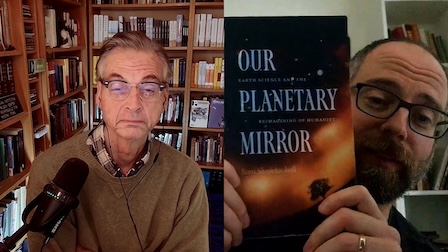
Robert Wright and Boris Shoshitaishvili discuss Boris’s new book, Our Planetary Mirror, which draws on three big ideas—Gaia, the noosphere, and the Anthropocene—along with philosophy and myth to reassess who we are and the problems we face as a species. Overtime: Are humans AI’s fossil fuel?
Nonzero (The Wright Show)
Can Dario and Sam Be Governed?
Robert Wright and Connor Leahy, US executive director of AI safety nonprofit ControlAI, discuss how recent AI “warning shots” have changed the conversation in Washington—and whether it will be enough to get adequate AI regulation. Plus: What really drives Dario? And in Overtime: How did Yudkowsky become a doomer?
Nonzero (The Wright Show)
The AI Companion Question
Robert Wright and psychologist Paul Bloom discuss how artificial intelligence could change human socialization for better and for worse—and whether we’re headed for a Matrix-like future. Overtime: Bob’s beef with Scott Alexander, the Cornell 7 case, and Trump’s not-so-super-intelligent rebrand.
Nonzero (The Wright Show)
The Race to Control AI

Robert Wright and Jeremie Harris—co-founder of Gladstone AI and co-host of the Last Week in AI podcast—discuss how the AI discourse has shifted over time, why alignment is falling short, and what it would take to make Washington pursue a pause. Plus, in Overtime: debating how to deal with China on AI safety.
Nonzero (The Wright Show)
Inside Elon’s Mind

Robert Wright and filmmaker Alex Gibney discuss Alex’s epic new documentary about Elon Musk—an exploration of how the world’s richest man got so powerful (and so weird).
Nonzero (The Wright Show)
Will AI Make Humans Obsolete?
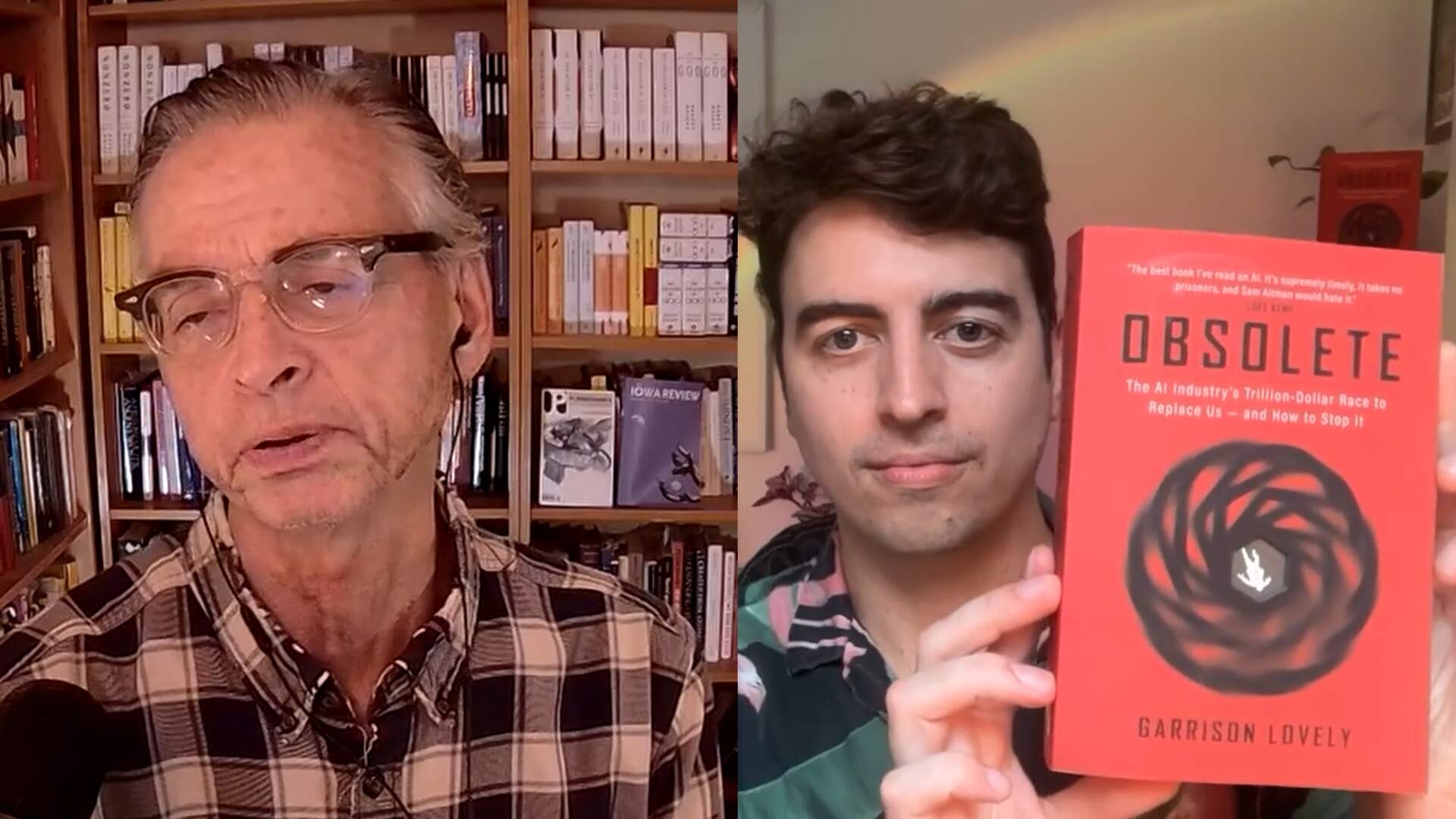
Garrison Lovely, author of the new book Obsolete, joins Robert Wright to discuss the AI industry’s race to replace human labor—and Garrison’s proposal to stop it. Plus: The left’s AI blind spot, whether alignment is doomed, and, in Overtime, doubts about Yudkowsky’s candor.
Nonzero (The Wright Show)
Trump and the AI Safety Vibe Shift
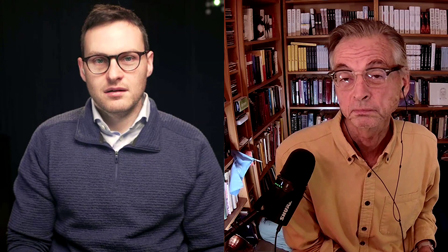
Robert Wright and Liron Shapira return for round two of their collaboration, reacting to the week in AI. They discuss Trump’s summit with the AI labs, the FTC’s investigation of OpenAI and Anthropic, the latest Gemini announcement, and more.
Nonzero (The Wright Show)
Is Dario’s “Slowdown” fake?
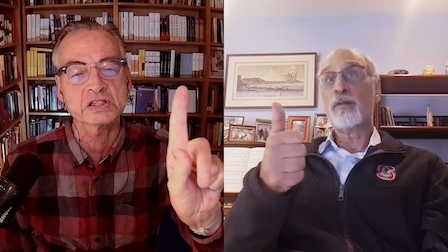
Tech and China analyst Paul Triolo joins Robert Wright to discuss the Anthropic CEO’s proposal to “pace” AI, his hawkish views on China, and prospects for US-China AI cooperation. Overtime: Why is the Chinese public more upbeat about AI than Americans?
Nonzero (The Wright Show)
Did Boomers Ruin Everything?
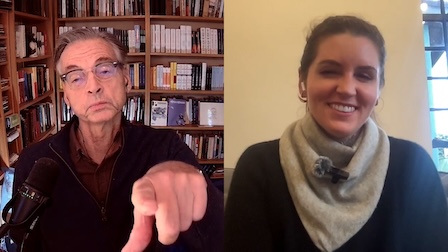
Robert Wright and Jill Filipovic—author of the book OK Boomer, Let’s Talk—discuss how the baby boom generation reshaped America, and whether millennials are right to blame them for today’s problems. Plus: what worries millennials about Gen Z, America’s gerontocracy problem, and why Kenyans are looking east.
Nonzero (The Wright Show)
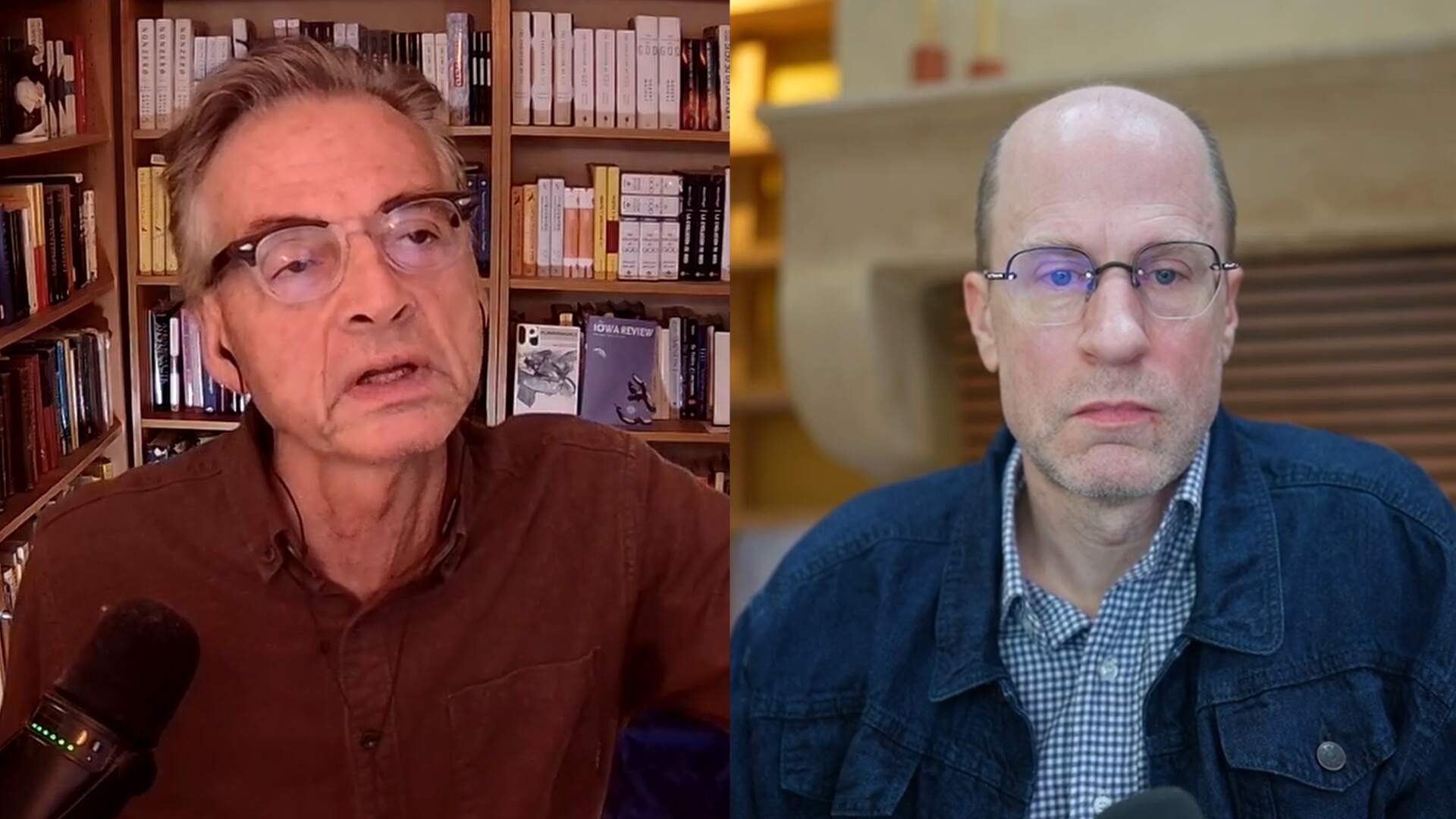
Superintelligence, the Singularity, and the Singleton
View these comments on a non-video page
View these comments on a non-video page