
11 October 2026

subscribe


Programs
Archived Programs
- 10th Anniversary
- 5th Anniversary
- Adamize
- Communitas
- Critic Proof
- Culturally Determined
- Democracy in America
- The DMZ
- Drezburt
- Feminine Chaos
- Fireside Chats
- Foreign Entanglements
- Free Will
- Friedersdorf
- The Glenn Show
- Global Dispatches
- The Good Fight round 1
- The Good Fight round 2
- Interrobang‽
- Lessons Learned
- The Mind Report
- Percontations
- The Posner Show
- Pros & Conn
- Psychopolitica
- Rational Actors
- Science Faction
- Science Saturday
- The Score
- UN Plaza
- Values Added
- Washington Monthly
- Washington Squares
- The Week in Blog
- Woodruff & Strauss
- Worldwise

Bloggingheads.tv videos


Subscribe to Bloggingheads.tv videos via podcast or email



Jan 6, 2014 —
Glenn Loury & Laurence Kotlikoff

The Glenn Show
On The Glenn Show, Larry makes the case for abolishing the corporate income tax. He describes his economic model, and critiques the demand-side theories of Paul Krugman. So why should the corporate income tax be done away with? Glenn wonders whether there’s a better way to counteract the tax-rate “race to the bottom.” Larry’s argues that his plan would boost Americans’ incomes by 8%. Plus: Glenn and Larry debate whether technological change is hurting American workers.
Jan 5, 2014 —
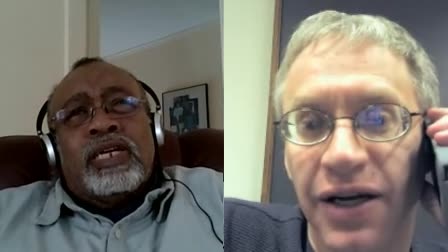
Glenn Loury & Harold Pollack
The Glenn Show
On The Glenn Show, Glenn and Harold discuss their reflexive distaste for social justice bandwagons. For example, Glenn agrees that poverty is a problem, but thinks raising the minimum wage is an “intellectually impoverished” response. Harold has advice for the minimum wage activists: stick to the facts. Next, Glenn and Harold argue over the relative merits of incrementalism vs. radicalism. Harold is jarred by the discrepancy between Paul Ryan’s recent anti-poverty campaign and his proposed budget. They close by debating poverty and political correctness.
Jan 3, 2014 —
Bill Scher & Matt K. Lewis

The DMZ
On The DMZ, Bill and Matt consider a recent poll stating that fewer Republicans believe in evolution. Matt argues that Christians should not reject evolution. Could this culture war issue have political implications in 2016? Next, Bill describes the Democrats’ push to renew extended unemployment insurance, and Matt encourages the GOP to pursue new conservative ideas to fight unemployment.
Jan 2, 2014 —
Matthew Duss & Robert Farley

Foreign Entanglements
On a special year-in-review edition of Foreign Entanglements, Matt and Rob examine the biggest foreign policy stories in 2013, starting with the NSA revelations. They consider the lack of US intervention in Syria and the amazingly fast change in America’s relationship with Iran. The Afghanistan War has become incredibly unpopular—so why does no one in Washington seem to care? Will the coming 50th anniversary of the Vietnam War change foreign policy views? Was 2013 the year that the GOP finally turned against neoconservatism? Finally, the real issue: whether it’s permissible to have both a lemon twist and olives in a martini.
Dec 31, 2013 —
Kevin Glass & Zack Beauchamp

Rational Actors
On a special year-end edition of Rational Actors, Kevin talks to Zack about his theory that 2013 was the best year in human history. What’s driving the decline in infant mortality? Kevin notes that both the US economy and the Eurozone were surprisingly resilient this year, and partly credits sequestration. Is President Obama a stealth fiscal hawk? Zack claims that 2013 was the year of drones and predicts that 2014 will be the year of robotic warfare. Kevin predicts that the school choice debate will become a major issue going into the next elections.

Archives
- October 2026(3)
- August 2026(8)
- July 2026(7)
- June 2026(8)
- May 2026(8)
- April 2026(9)
- March 2026(9)
- January 2026(8)
- October 2025(8)
- August 2025(10)
- July 2025(13)
- June 2025(11)
- May 2025(12)
- April 2025(14)
- March 2025(12)
- February 2025(12)
- January 2025(15)
- December 2024(10)
- November 2024(11)
- October 2024(15)
- September 2024(12)
- August 2024(13)
- July 2024(12)
- June 2024(10)
- May 2024(14)
- April 2024(12)
- March 2024(14)
- February 2024(13)
- January 2024(15)
- December 2023(15)
- November 2023(17)
- October 2023(16)
- September 2023(18)
- August 2023(15)
- July 2023(14)
- June 2023(17)
- May 2023(15)
- April 2023(16)
- March 2023(19)
- February 2023(15)
- January 2023(16)
- December 2022(16)
- November 2022(16)
- October 2022(17)
- September 2022(19)
- August 2022(15)
- July 2022(17)
- June 2022(15)
- May 2022(17)
- April 2022(18)
- March 2022(15)
- February 2022(15)
- January 2022(16)
- December 2021(21)
- November 2021(19)
- October 2021(22)
- September 2021(19)
- August 2021(22)
- July 2021(24)
- June 2021(18)
- May 2021(18)
- April 2021(19)
- March 2021(19)
- February 2021(19)
- January 2021(19)
- December 2020(21)
- November 2020(19)
- October 2020(19)
- September 2020(21)
- August 2020(21)
- July 2020(20)
- June 2020(22)
- May 2020(19)
- April 2020(22)
- March 2020(18)
- February 2020(13)
- January 2020(18)
- December 2019(12)
- November 2019(14)
- October 2019(16)
- September 2019(15)
- August 2019(19)
- July 2019(14)
- June 2019(17)
- May 2019(18)
- April 2019(15)
- March 2019(18)
- February 2019(16)
- January 2019(19)
- December 2018(18)
- November 2018(15)
- October 2018(19)
- September 2018(16)
- August 2018(14)
- July 2018(15)
- June 2018(12)
- May 2018(13)
- April 2018(18)
- March 2018(16)
- February 2018(13)
- January 2018(10)
- December 2017(11)
- November 2017(14)
- October 2017(13)
- September 2017(10)
- August 2017(16)
- July 2017(17)
- June 2017(18)
- May 2017(18)
- April 2017(17)
- March 2017(19)
- February 2017(12)
- January 2017(14)
- November 2016(13)
- October 2016(11)
- September 2016(12)
- August 2016(9)
- July 2016(16)
- June 2016(17)
- May 2016(12)
- April 2016(16)
- March 2016(19)
- February 2016(12)
- January 2016(17)
- December 2015(17)
- November 2015(16)
- October 2015(17)
- September 2015(21)
- August 2015(22)
- July 2015(25)
- June 2015(26)
- May 2015(23)
- April 2015(25)
- March 2015(28)
- February 2015(28)
- January 2015(22)
- December 2014(28)
- November 2014(26)
- October 2014(30)
- September 2014(26)
- August 2014(26)
- July 2014(28)
- June 2014(27)
- May 2014(32)
- April 2014(26)
- March 2014(30)
- February 2014(28)
- January 2014(30)
- December 2013(28)
- November 2013(26)
- October 2013(26)
- September 2013(26)
- August 2013(25)
- July 2013(30)
- June 2013(37)
- May 2013(28)
- April 2013(30)
- March 2013(30)
- February 2013(31)
- January 2013(33)
- December 2012(34)
- November 2012(35)
- October 2012(42)
- September 2012(35)
- August 2012(38)
- July 2012(30)
- June 2012(32)
- May 2012(33)
- April 2012(33)
- March 2012(43)
- February 2012(34)
- January 2012(28)
- December 2011(30)
- November 2011(33)
- October 2011(36)
- September 2011(37)
- August 2011(34)
- July 2011(36)
- June 2011(36)
- May 2011(33)
- April 2011(36)
- March 2011(36)
- February 2011(34)
- January 2011(35)
- December 2010(38)
- November 2010(43)
- October 2010(38)
- September 2010(36)
- August 2010(38)
- July 2010(38)
- June 2010(38)
- May 2010(38)
- April 2010(35)
- March 2010(41)
- February 2010(35)
- January 2010(40)
- December 2009(35)
- November 2009(35)
- October 2009(41)
- September 2009(39)
- August 2009(41)
- July 2009(43)
- June 2009(41)
- May 2009(39)
- April 2009(40)
- March 2009(38)
- February 2009(35)
- January 2009(42)
- December 2008(36)
- November 2008(38)
- October 2008(45)
- September 2008(48)
- August 2008(45)
- July 2008(49)
- June 2008(48)
- May 2008(49)
- April 2008(45)
- March 2008(39)
- February 2008(38)
- January 2008(40)
- December 2007(33)
- November 2007(27)
- October 2007(31)
- September 2007(26)
- August 2007(32)
- July 2007(27)
- June 2007(30)
- May 2007(30)
- April 2007(25)
- March 2007(23)
- February 2007(19)
- January 2007(18)
- December 2006(11)
- November 2006(14)
- October 2006(11)
- September 2006(10)
- August 2006(9)
- July 2006(8)
- June 2006(11)
- May 2006(12)
- April 2006(10)
- March 2006(9)
- January 2006(9)
- December 2005(10)
- November 2005(14)