
11 October 2026

subscribe


Programs
Archived Programs
- 10th Anniversary
- 5th Anniversary
- Adamize
- Communitas
- Critic Proof
- Culturally Determined
- Democracy in America
- The DMZ
- Drezburt
- Feminine Chaos
- Fireside Chats
- Foreign Entanglements
- Free Will
- Friedersdorf
- The Glenn Show
- Global Dispatches
- The Good Fight round 1
- The Good Fight round 2
- Interrobang‽
- Lessons Learned
- The Mind Report
- Percontations
- The Posner Show
- Pros & Conn
- Psychopolitica
- Rational Actors
- Science Faction
- Science Saturday
- The Score
- UN Plaza
- Values Added
- Washington Monthly
- Washington Squares
- The Week in Blog
- Woodruff & Strauss
- Worldwise

Bloggingheads.tv videos


Subscribe to Bloggingheads.tv videos via podcast or email
Mar 21, 2014 —
Bill Scher & Justin Green
The DMZ
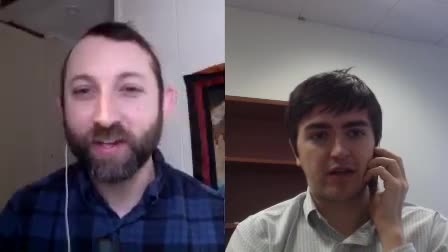
On The DMZ, Bill and special guest Justin discuss whether Democrats and Republicans can find common ground on Russia and Iran. Was Romney right about Russia being America’s number one political foe? Bill argues that Putin’s Russia should inspire liberals to embrace American exceptionalism, and Justin explores whether the libertarian wing of the GOP still does. How would Rand Paul‘s foreign policy positions play in the 2016 GOP primaries? Is Hillary Clinton running for president as a hawk? Is Paul Ryan‘s outreach on poverty and race going to convince anyone?


Mar 18, 2014 —
Robert Wright & Rodney Smith

Nonzero (The Wright Show)


Mar 13, 2014 —
Bill Scher & Matt K. Lewis

The DMZ
On The DMZ, Bill and Matt discuss the GOP special election victory in Florida and whether Obamacare has become a liability for Democrats. They evaluate Obama’s decision to appear on Between Two Ferns with Zach Galifianakis. What if Chris Christie had decided to play Bridgegate for laughs? Is CPAC good for potential Republican presidential candidates? Was this year’s conference good for Ted Cruz, and is he a threat to Rand Paul? And what were the other big stories out of CPAC?
Mar 12, 2014 —
Conor Friedersdorf & Mark Joseph Stern

Friedersdorf
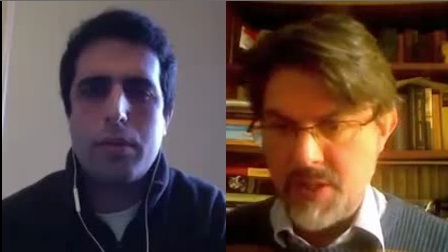
On an epic edition of Friedersdorf, Conor and Mark debate issues arising from the case of the New Mexico photographer who refused to shoot a gay wedding. How much does motivation—hate, animus, or religious conviction—matter in these disputes? Conor reflects on his Catholic upbringing to discuss religious believers who think encouraging same-sex marriage is sinful. Should a gay photographer be legally compelled to shoot a traditional Catholic wedding? Conor and Mark debate how non-discrimination laws should work. Does the photographer have a First Amendment case? Mark challenges Conor with a hypothetical town where the restaurants refuse to serve gay people. Finally, are we heading toward a future with more or less conflict between gay rights and religious freedom?
Archives
- October 2026(3)
- August 2026(8)
- July 2026(7)
- June 2026(8)
- May 2026(8)
- April 2026(9)
- March 2026(9)
- January 2026(8)
- October 2025(8)
- August 2025(10)
- July 2025(13)
- June 2025(11)
- May 2025(12)
- April 2025(14)
- March 2025(12)
- February 2025(12)
- January 2025(15)
- December 2024(10)
- November 2024(11)
- October 2024(15)
- September 2024(12)
- August 2024(13)
- July 2024(12)
- June 2024(10)
- May 2024(14)
- April 2024(12)
- March 2024(14)
- February 2024(13)
- January 2024(15)
- December 2023(15)
- November 2023(17)
- October 2023(16)
- September 2023(18)
- August 2023(15)
- July 2023(14)
- June 2023(17)
- May 2023(15)
- April 2023(16)
- March 2023(19)
- February 2023(15)
- January 2023(16)
- December 2022(16)
- November 2022(16)
- October 2022(17)
- September 2022(19)
- August 2022(15)
- July 2022(17)
- June 2022(15)
- May 2022(17)
- April 2022(18)
- March 2022(15)
- February 2022(15)
- January 2022(16)
- December 2021(21)
- November 2021(19)
- October 2021(22)
- September 2021(19)
- August 2021(22)
- July 2021(24)
- June 2021(18)
- May 2021(18)
- April 2021(19)
- March 2021(19)
- February 2021(19)
- January 2021(19)
- December 2020(21)
- November 2020(19)
- October 2020(19)
- September 2020(21)
- August 2020(21)
- July 2020(20)
- June 2020(22)
- May 2020(19)
- April 2020(22)
- March 2020(18)
- February 2020(13)
- January 2020(18)
- December 2019(12)
- November 2019(14)
- October 2019(16)
- September 2019(15)
- August 2019(19)
- July 2019(14)
- June 2019(17)
- May 2019(18)
- April 2019(15)
- March 2019(18)
- February 2019(16)
- January 2019(19)
- December 2018(18)
- November 2018(15)
- October 2018(19)
- September 2018(16)
- August 2018(14)
- July 2018(15)
- June 2018(12)
- May 2018(13)
- April 2018(18)
- March 2018(16)
- February 2018(13)
- January 2018(10)
- December 2017(11)
- November 2017(14)
- October 2017(13)
- September 2017(10)
- August 2017(16)
- July 2017(17)
- June 2017(18)
- May 2017(18)
- April 2017(17)
- March 2017(19)
- February 2017(12)
- January 2017(14)
- November 2016(13)
- October 2016(11)
- September 2016(12)
- August 2016(9)
- July 2016(16)
- June 2016(17)
- May 2016(12)
- April 2016(16)
- March 2016(19)
- February 2016(12)
- January 2016(17)
- December 2015(17)
- November 2015(16)
- October 2015(17)
- September 2015(21)
- August 2015(22)
- July 2015(25)
- June 2015(26)
- May 2015(23)
- April 2015(25)
- March 2015(28)
- February 2015(28)
- January 2015(22)
- December 2014(28)
- November 2014(26)
- October 2014(30)
- September 2014(26)
- August 2014(26)
- July 2014(28)
- June 2014(27)
- May 2014(32)
- April 2014(26)
- March 2014(30)
- February 2014(28)
- January 2014(30)
- December 2013(28)
- November 2013(26)
- October 2013(26)
- September 2013(26)
- August 2013(25)
- July 2013(30)
- June 2013(37)
- May 2013(28)
- April 2013(30)
- March 2013(30)
- February 2013(31)
- January 2013(33)
- December 2012(34)
- November 2012(35)
- October 2012(42)
- September 2012(35)
- August 2012(38)
- July 2012(30)
- June 2012(32)
- May 2012(33)
- April 2012(33)
- March 2012(43)
- February 2012(34)
- January 2012(28)
- December 2011(30)
- November 2011(33)
- October 2011(36)
- September 2011(37)
- August 2011(34)
- July 2011(36)
- June 2011(36)
- May 2011(33)
- April 2011(36)
- March 2011(36)
- February 2011(34)
- January 2011(35)
- December 2010(38)
- November 2010(43)
- October 2010(38)
- September 2010(36)
- August 2010(38)
- July 2010(38)
- June 2010(38)
- May 2010(38)
- April 2010(35)
- March 2010(41)
- February 2010(35)
- January 2010(40)
- December 2009(35)
- November 2009(35)
- October 2009(41)
- September 2009(39)
- August 2009(41)
- July 2009(43)
- June 2009(41)
- May 2009(39)
- April 2009(40)
- March 2009(38)
- February 2009(35)
- January 2009(42)
- December 2008(36)
- November 2008(38)
- October 2008(45)
- September 2008(48)
- August 2008(45)
- July 2008(49)
- June 2008(48)
- May 2008(49)
- April 2008(45)
- March 2008(39)
- February 2008(38)
- January 2008(40)
- December 2007(33)
- November 2007(27)
- October 2007(31)
- September 2007(26)
- August 2007(32)
- July 2007(27)
- June 2007(30)
- May 2007(30)
- April 2007(25)
- March 2007(23)
- February 2007(19)
- January 2007(18)
- December 2006(11)
- November 2006(14)
- October 2006(11)
- September 2006(10)
- August 2006(9)
- July 2006(8)
- June 2006(11)
- May 2006(12)
- April 2006(10)
- March 2006(9)
- January 2006(9)
- December 2005(10)
- November 2005(14)